It doesn’t seem so long ago that ‘going green’ was something more associated with the Incredible Hulk than looking after our planet. It was perhaps during the 1990s when people first started to take note of the damage to the ozone layer and started to take a little more care of our planet than they had perhaps previously done. Before this time, we didn’t seem to pay that much attention to the products we created, the foods we grew, and the apparel that we wore. Thankfully, the 21st century has seen most people ‘going green’, this time in a caring for the environment way. Here are some of the most interesting uses of bamboo.
The fashion industry for sometime seemed to care little for the environment. They were focused on creating style, trends and cared little helping the environment! However, that is changing to with some fabrics being environmentally friendly and this is indeed a major selling point. With the growing popularity of a new fabric made of bamboo, designers have slowly begun to use bamboo fabric in many of their upcoming collections.
Particularly in Asia, bamboo was used mainly for hand-made paper production but now a new use has been found. Using modern methods and techniques, not to mention modern manufacturing methods, it became possible to turn the bamboo pulp into bamboo fibre which can be used in the clothing industry. It is a natural textile made from bamboo grass and is created by pulping the grass until it is possible to separate it into thin threads. In turn, these threads are then spun into yarns that can be dyed and weaved into cloth to be used in the fashion industry.
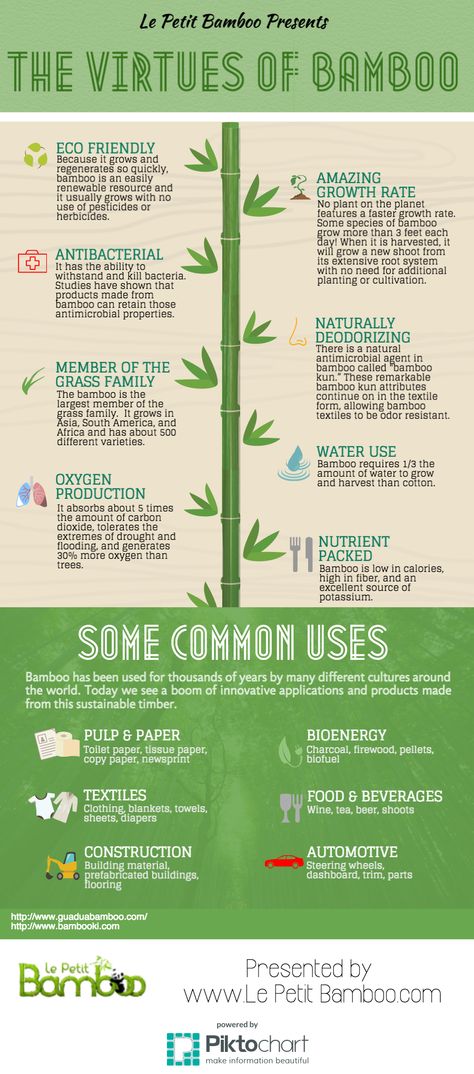
The texture of bamboo fabric is very similar to that of silk. None of the fibres have been chemically treated which, in turn, leads to them being naturally smoother and rounder so it causes no irritation to the skin. Bamboo fabric is hypoallergenic which is another huge advantage meaning it has a huge advantage over other natural fibres such as hemp or wool. Bamboo is also healthier to skin than cotton, breaking one of the long held myths. I remember one of my research associates who hails from China telling me how the monks preferred bamboo clothing. For one, it’s cruelty free and for the other it’s the most sustainable crop. In fact, bamboo can absorb 3 times its weight in water and can be made with almost 3-5 times lesser water than cotton, based on the type of bamboo used for making the textile.
It is also antibacterial and antifungal. This is due to the fact that bamboo naturally possesses an anti-bacterial and bacteriostatic bio-agent called “Bamboo Kun”, allowing it to naturally flourish and grow in the wild without the use of pesticides or fertilizers. This beneficial quality of the plant remains in its textile form, killing all bacteria keeping the wearer feeling fresher and odor free for longer, making the garment healthier and more hygienic. Since bamboo inherently possess some of the most coolest properties I would totally suggest you to get your hands on one and try. The fabric also consumes lesser water than cotton for washing, mainly because bamboo is very breathable, resists most stains and keeps sweating and stinking away. For 8 gallons of water required to wash cotton clothes effectively, bamboo textile only uses a one-fifth to a quarter of the water for the same volume of clothes. Now if you are really thinking of saving water, you know which textile to choose.
It is not hard to see why so many people are turning to bamboo fabric! If you like to share your experiences on using bamboo textile, lemme know in the comments below.
 Sustainability Researcher